The Three Types of Military Agents: Solicitor, Reporter, Guide
Aug 13, 2026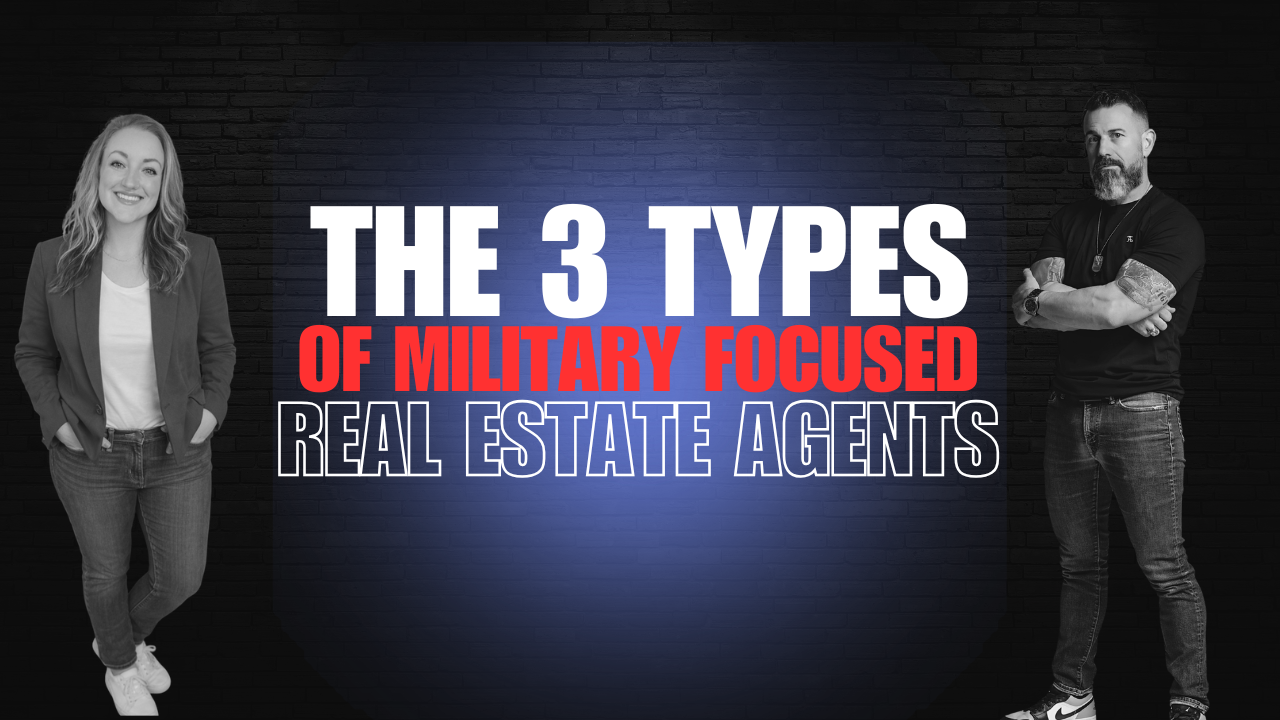
Every agent working the military relocation niche falls into one of three categories, whether they have chosen it consciously or not. The category they occupy determines how much trust a family extends to them, and trust is the only currency that matters when someone is executing orders under a deadline. Understanding which category you actually operate in, not which one you think you operate in, is the first real diagnostic an agent in this space can run on their own business.
The Solicitor
The Solicitor is the agent whose first move is asking for the business. They introduce themselves at a spouse coffee, drop a card at the housing office, comment on a PCS post with an offer to help and a request to DM them. The intent is not malicious. It is simply backwards. They lead with the ask before they have earned the right to make one.
Military families, especially those who have been through two or three PCS cycles, recognize this pattern instantly. They have been solicited before, usually more than once in the same week they got orders. The Solicitor gets filtered out fast, not because they are incompetent, but because nothing about the interaction demonstrated they understood the situation the family is actually in. Asking for trust and earning it are different acts, and only one of them works on a family with sixty days on the clock.
This is worth sitting with, because most agents do not think of themselves as Solicitors. They think of the coffee, the business card, the comment as relationship building. But intent does not change how it lands. If the first thing a family learns about you is that you want their business, you have told them nothing about whether you can be trusted with a decision this size.
The Reporter
The Reporter is a step up, and it is where most agents who have moved past soliciting end up living. They post listings, share open house photos, announce production numbers, wish the local unit well on deployment. It looks like content. It generates some engagement. But none of it teaches the reader anything they did not already know, and none of it reduces the risk a family feels about the decision in front of them.
The problem with Reporter-level content is not that it is bad. It is that it is forgettable. A family scrolling their feed a week before the movers arrive is not going to remember whose open house had the best coffee. They are going to remember whoever explained what a Tidewater appraisal does to their sale price, or why their PCS timeline does not match what their orders actually say. Information with no application does not stick. Information that resolves a specific fear does.
Reporters are not lazy or careless. Most of them are simply optimizing for the wrong output. They are measuring success by whether they posted, not by whether the post did anything for the person reading it. That is an easy trap, because Reporter content is comfortable to produce. It requires no real expertise to announce a closing. It requires depth to explain why that closing almost fell apart over an entitlement issue nobody caught until week six.
The Guide
The Guide operates differently. They explain what things mean. Not a list of PCS tips, but an answer to what happens to entitlement if a family buys again before the current house sells, or why waiting to request a Tidewater review costs leverage that does not come back. The Guide reduces the reader's uncertainty about something specific and real. That is what makes them indispensable. Not personality, not marketing spend, not years in the business.
The shift from Reporter to Guide is not about producing more content. It is about producing content that does something. A Guide's post should leave the reader knowing something they can act on, not simply aware that the agent exists. That distinction is the whole model. Guide-level content, repeated consistently, is what authority is built from. Remove either the depth or the consistency and the formula collapses back into noise. An agent who publishes one brilliant explainer a year is not a Guide. Neither is an agent who publishes daily and says nothing. Authority requires both variables to hold.
Why the Category You Occupy Is a Choice, Not a Personality
None of this is about who you are as a person. A warm, likable agent can still operate as a pure Solicitor if every interaction opens with an ask. A quiet, reserved agent can become the Guide their market relies on simply by consistently explaining the things families are afraid to ask about out loud. The category is a function of what you publish and how you show up, not who you are underneath it.
That is actually the useful part. It means the shift from Reporter to Guide is available to any agent willing to do the harder work of explaining instead of announcing. It does not require a bigger following or a bigger budget. It requires picking the questions your clients are actually asking, the ones that keep them up at night during a PCS, and answering them in public, consistently, before they become clients.
A service member does not remember who showed up the most. They remember who explained the thing that mattered right when they needed it explained.
3 Things to Do Now
- Pull your last ten posts and sort each into Solicitor, Reporter, or Guide. If most land in the first two categories, that is where the gap is.
- Take one question you answered for a client in the last month and turn it into a Guide-level explanation, not an announcement.
- Before your next post, ask whether it teaches something or just shows something. If it only shows, hold it and rework it.